Ubud Palace
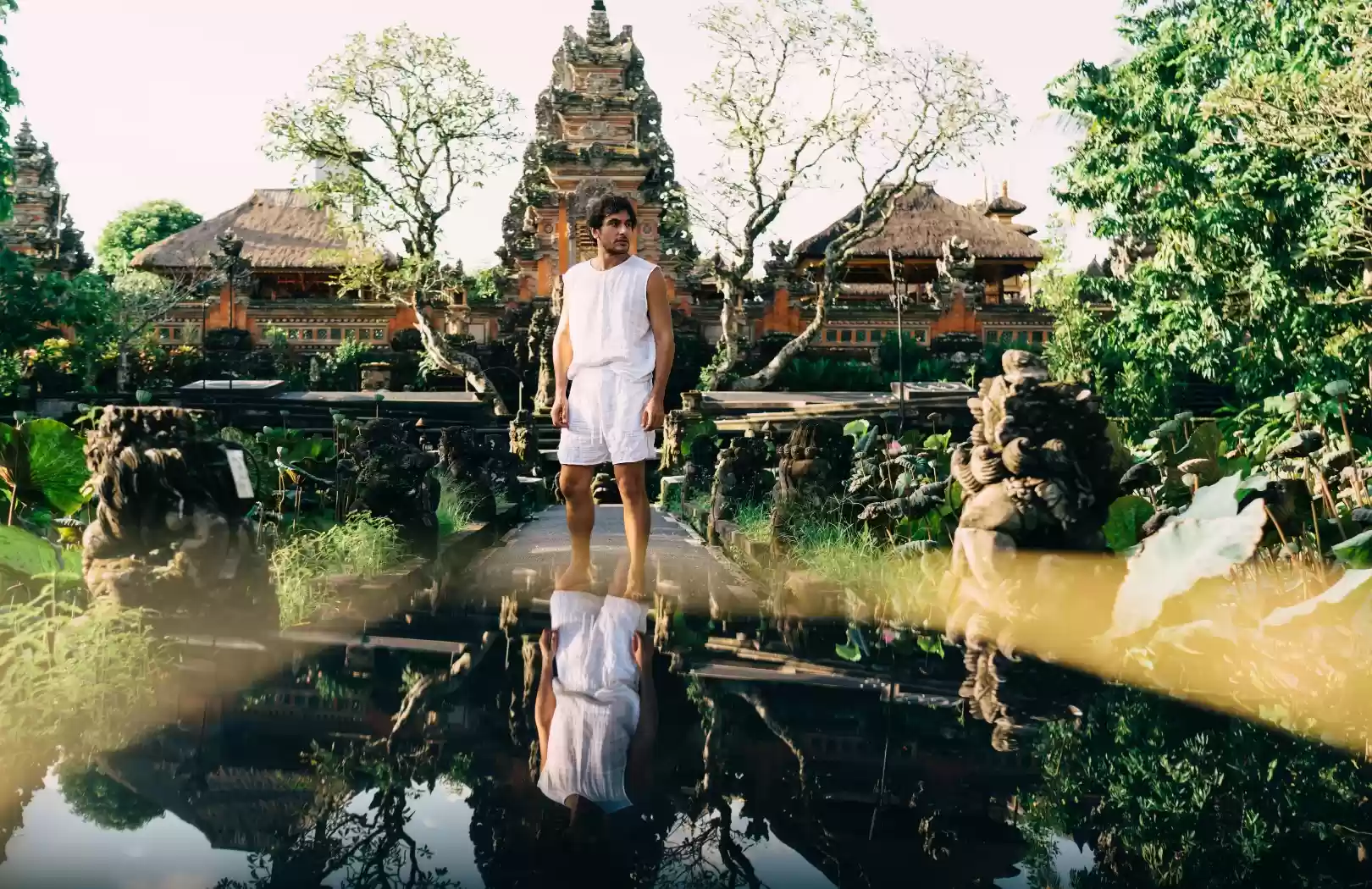
Ubud Palace, also known as Puri Saren Agung, stands at the cultural heart of Ubud. Located in the center of town, this historic royal palace represents the legacy, traditions, and artistic spirit that define Ubud today. For visitors staying in a peaceful cottage environment, a visit to Ubud Palace offers a meaningful cultural experience that is both accessible and enriching.
Unlike large monuments or museums, Ubud Palace feels alive. It is not only a historical site but also a place where Balinese culture continues to be practiced daily. From traditional architecture to evening dance performances, the palace provides insight into Ubud’s royal heritage and artistic identity.
The Historical Significance of Ubud Palace
Ubud Palace was once the official residence of the royal family of Ubud. For generations, the palace played an important role in governing the region and supporting cultural development. The royal family was known for its patronage of artists, dancers, and craftsmen, which helped shape Ubud into the cultural center it is today.
Although the palace no longer functions as a royal residence in the traditional sense, members of the royal family still live within the complex. This continuity adds authenticity and depth to the site, making it more than just a historical landmark.
Visitors walking through the palace grounds can sense the importance of tradition and lineage that continues to influence Ubud’s cultural life.
Traditional Balinese Architecture
One of the most striking features of Ubud Palace is its traditional Balinese architecture. The palace complex is composed of open courtyards, ornate gates, carved stone walls, and traditional pavilions.
Each architectural element follows Balinese design principles that emphasize balance, harmony, and spiritual alignment. Decorative carvings often depict mythological figures and symbolic motifs, reflecting religious beliefs and cultural values.
For travelers interested in architecture and design, Ubud Palace offers an opportunity to observe traditional craftsmanship up close. The attention to detail highlights the artistry that Balinese culture is known for.
A Cultural Hub in the Center of Ubud
Ubud Palace is not isolated from daily life. Its location at the center of town makes it a natural gathering point. Nearby streets are filled with shops, cafes, and local activity, creating a vibrant yet approachable atmosphere.
Despite its central location, the palace maintains a sense of calm. Walking through its courtyards offers a brief retreat from the surrounding bustle. This balance between activity and tranquility reflects the character of Ubud itself.
For cottage stay guests, the palace is an easy and rewarding destination that does not require extensive travel or planning.
Evening Traditional Dance Performances
One of the highlights of visiting Ubud Palace is the opportunity to watch traditional Balinese dance performances in the evening. These performances are held regularly in the palace courtyard and feature classic dances accompanied by live gamelan music.
The dances tell stories drawn from ancient epics and local legends. Expressive movements, elaborate costumes, and rhythmic music combine to create a captivating cultural experience.
Watching a performance in this historic setting adds depth and authenticity. For many visitors, it becomes a memorable introduction to Balinese performing arts.
Experiencing Ubud at a Relaxed Pace
A visit to Ubud Palace fits naturally into a relaxed travel itinerary. Guests can explore the palace during the day, enjoy lunch nearby, or return in the evening for a dance performance.
Because of its central location, the palace can easily be combined with visits to Ubud Art Market, nearby temples, or leisurely walks through town. This flexibility allows travelers to explore without feeling rushed.
For those staying in a peaceful cottage, the palace offers cultural enrichment without disrupting the calm rhythm of the stay.
Connecting with Balinese Culture
Ubud Palace provides insight into the cultural foundations of Bali. From architecture to performances, each element reflects values of spirituality, respect, and artistic expression.
Visitors are encouraged to observe respectfully and appreciate the cultural significance of the site. Even brief visits can deepen understanding of Balinese traditions and history.
This connection to culture is what many travelers seek when visiting Ubud. The palace offers a meaningful way to engage with local heritage in an accessible and welcoming environment.
Ideal for All Types of Travelers
Ubud Palace appeals to a wide range of visitors. Culture enthusiasts enjoy learning about royal history and traditional arts. Photographers are drawn to the architectural details and elegant courtyards.
Couples appreciate the romantic atmosphere of evening performances, while families can enjoy an educational experience that introduces children to Balinese culture.
Solo travelers often find the palace a peaceful place to explore independently. Its open layout allows visitors to move at their own pace and reflect on what they see.
Combining Ubud Palace with Nearby Attractions
Because of its location, Ubud Palace is easily combined with other nearby attractions. The Ubud Art Market is directly across the street, offering opportunities to explore local crafts and souvenirs.
Several cafes and galleries are within walking distance, making it easy to create a well balanced day. After exploring the palace and surrounding areas, returning to a quiet cottage provides a welcome contrast.
This combination of cultural exploration and peaceful retreat defines the Ubud travel experience.
Why Ubud Palace Leaves a Lasting Impression
Ubud Palace leaves a lasting impression not through size or grandeur, but through atmosphere and meaning. It represents continuity, creativity, and cultural pride.
For many visitors, the palace symbolizes what makes Ubud special. A place where tradition and daily life coexist, and where culture remains a living presence rather than a historical memory.
Experiencing this environment adds depth to a stay in Ubud and enhances appreciation for the destination as a whole.
Ubud Palace is one of the most important cultural landmarks in Ubud. It offers visitors a glimpse into royal heritage, traditional architecture, and Balinese performing arts, all within a calm and accessible setting.
For guests staying in a private and comfortable cottage, a visit to Ubud Palace provides meaningful cultural enrichment without requiring extensive travel. It complements a peaceful stay by adding insight, artistry, and tradition to the journey.
Exploring Ubud Palace allows travelers to connect with the heart of Ubud and gain a deeper understanding of the culture that continues to shape this unique destination.