Goa Gajah
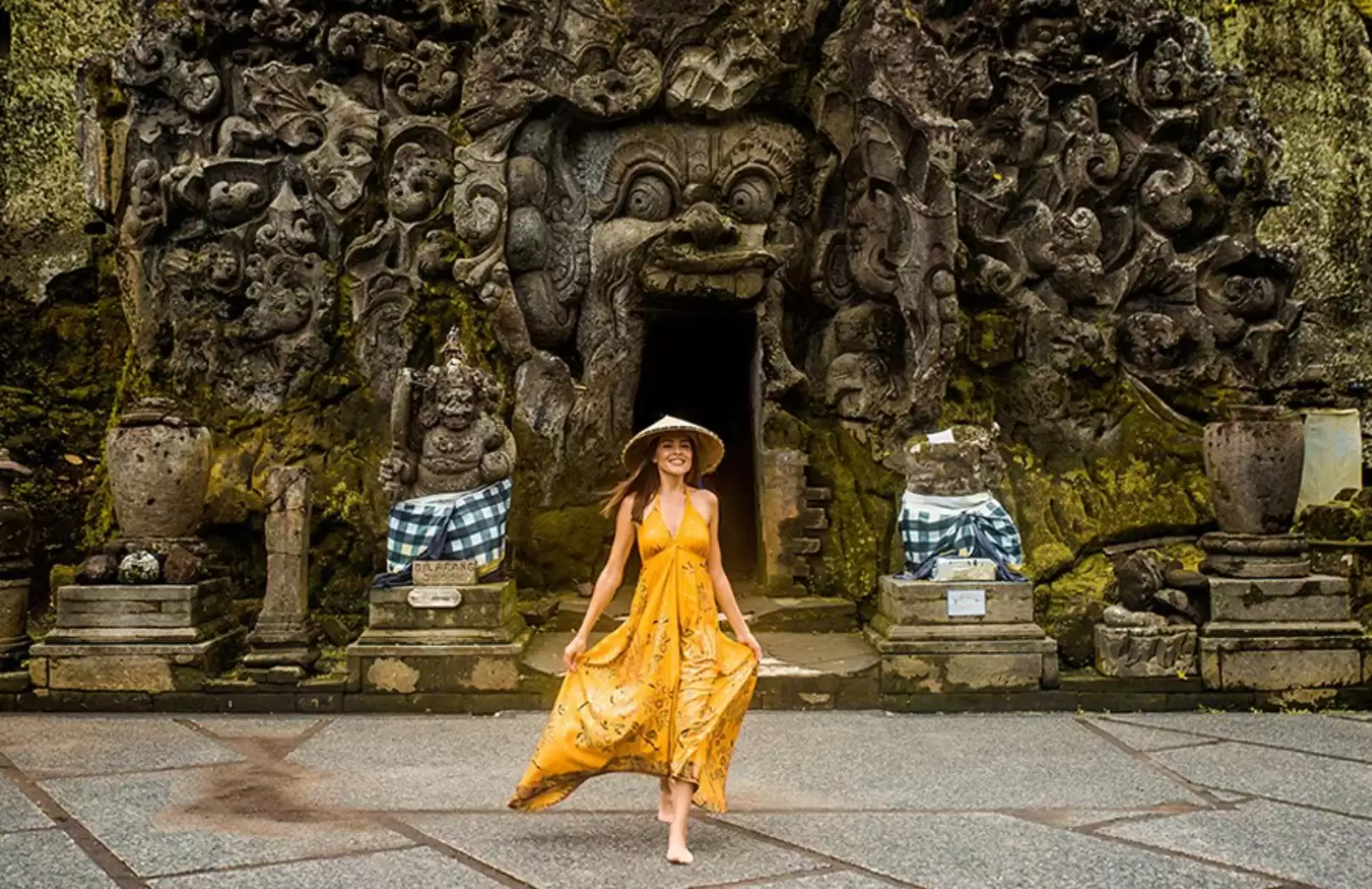
Goa Gajah, commonly known as the Elephant Cave, is one of Ubud’s most intriguing historical and spiritual sites. Located just a short drive from the town center, this ancient sanctuary offers a unique blend of archaeology, spirituality, and natural beauty. Surrounded by lush gardens, stone relics, and flowing water, Goa Gajah provides a calm and reflective experience for visitors.
For guests staying in a peaceful cottage environment, a visit to Goa Gajah is an ideal nearby attraction. It offers cultural depth without requiring a long journey, making it a meaningful addition to a relaxed Ubud itinerary.
The History Behind Goa Gajah
Goa Gajah dates back to the 9th century and is believed to have served as a place for meditation and spiritual retreat. The site reflects the coexistence of Hindu and Buddhist influences, which were both present in Bali during that period.
The cave itself is carved into rock, with a dramatic entrance shaped like a mythical creature’s face. Stepping inside the cave, visitors can see niches and stone carvings that were used for meditation and ritual practices.
This historical significance makes Goa Gajah more than just a sightseeing spot. It is a reminder of Bali’s long spiritual history and cultural evolution.
The Meaning of the Elephant Cave
Despite its name, Goa Gajah is not associated with elephants in the traditional sense. The name is believed to originate from the nearby Elephant River or from symbolic references in ancient texts.
The entrance carving, featuring a wide mouth and intricate stone details, is designed to ward off evil spirits. Passing through it symbolizes entering a sacred and protected space.
This symbolism adds a deeper layer to the visit, encouraging guests to approach the site with respect and curiosity.
A Sacred Space for Reflection
Inside the cave, the atmosphere is quiet and contemplative. The space is simple, with stone walls and limited light, creating an environment suited for meditation.
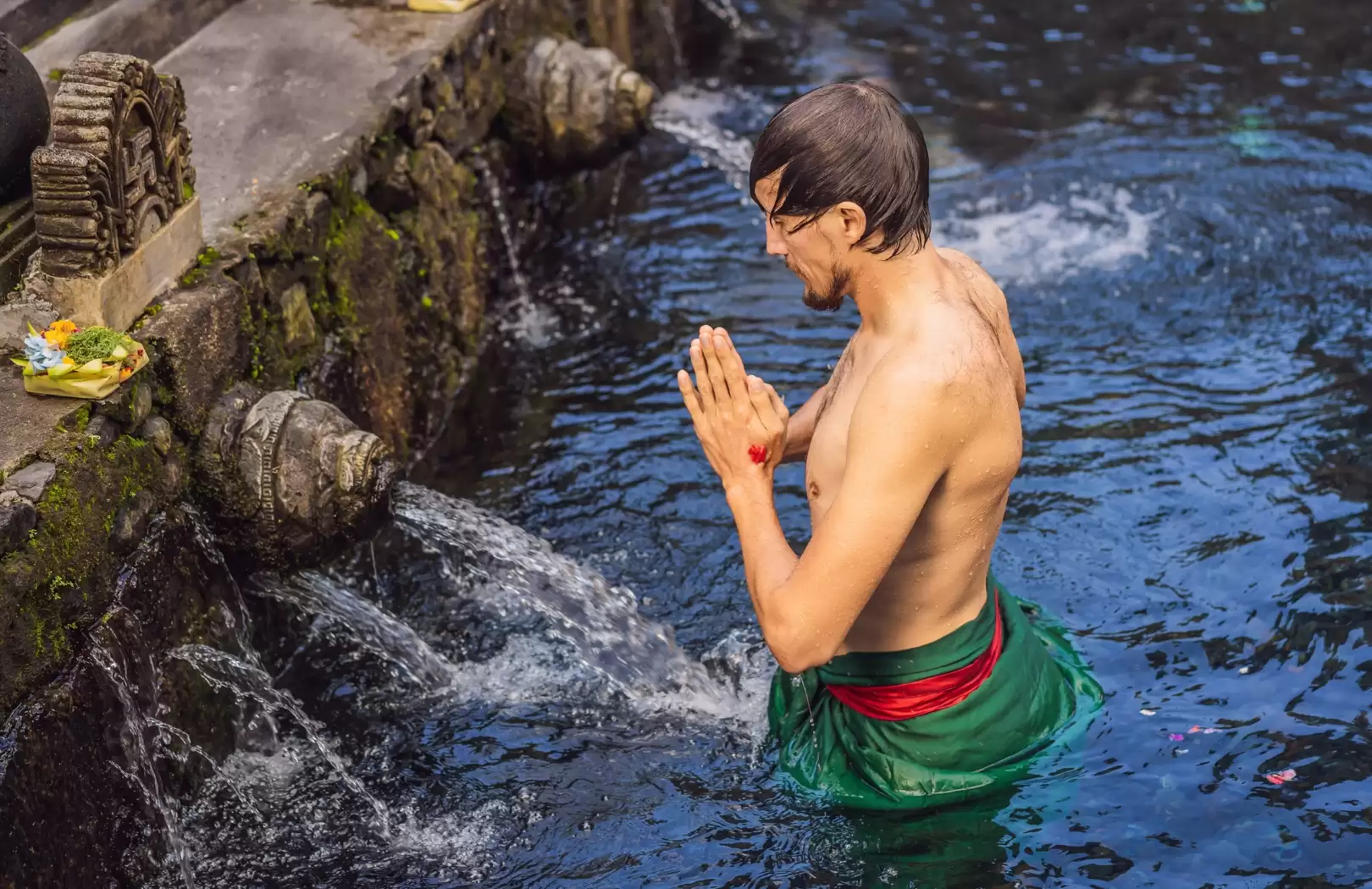
Outside the cave, the site opens into a tranquil garden area with pathways, small shrines, and statues. A short walk down stone steps leads to bathing pools fed by natural springs.
These elements combine to create a balanced experience of inner reflection and connection with nature.
The Bathing Pools and Water Features
One of the highlights of Goa Gajah is the bathing pool area. The pools are adorned with stone carvings and fountains, representing purification and renewal.
Water plays an important role in Balinese spirituality. The presence of flowing water enhances the sense of calm and sacredness throughout the site.
Visitors often find this area especially peaceful, offering a moment to pause and absorb the surroundings.
Nature Surrounding the Site
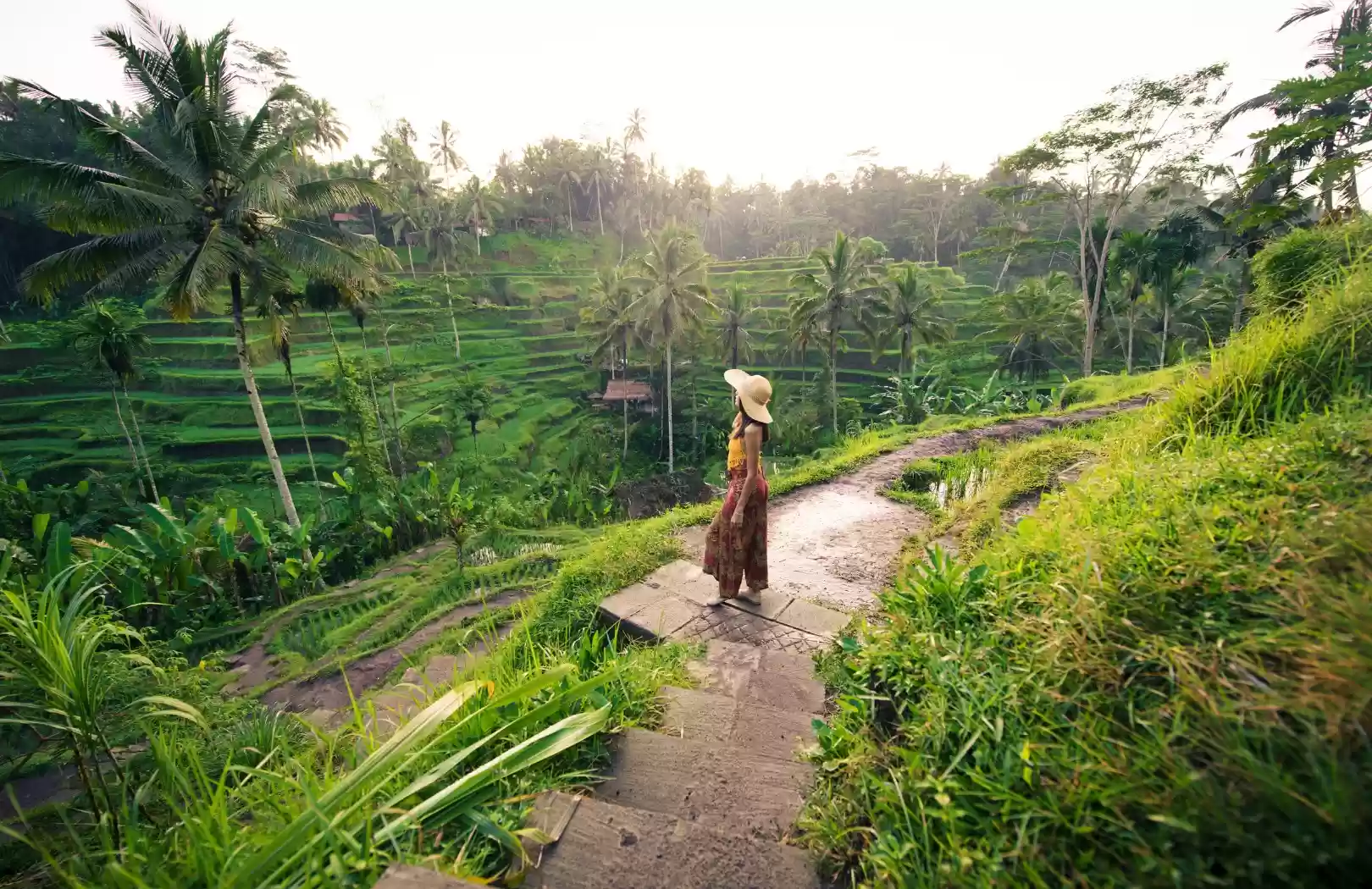
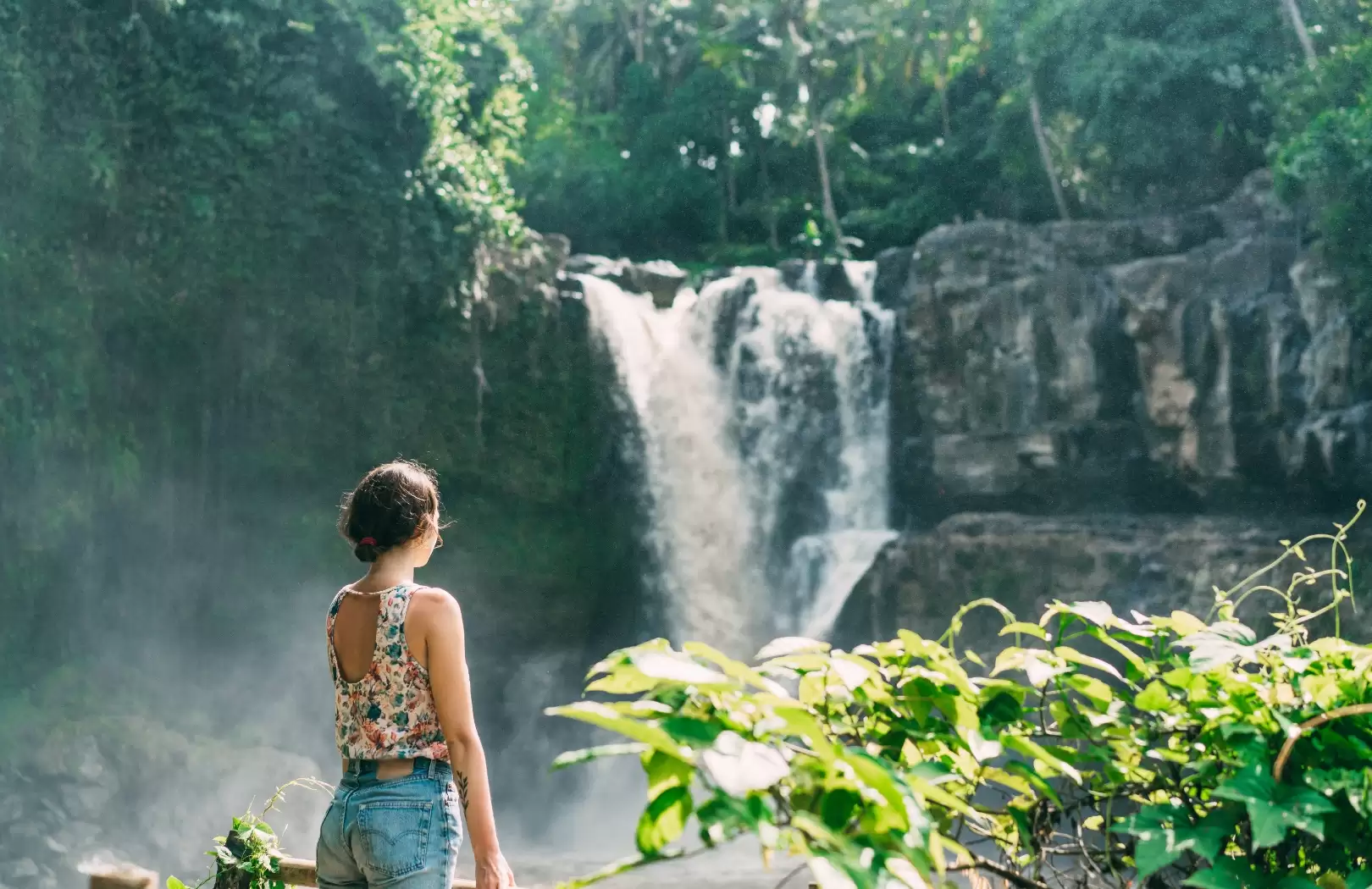
Beyond its historical features, Goa Gajah is surrounded by lush greenery. Tall trees, shaded paths, and natural sounds contribute to a refreshing environment.
The garden area extends down toward a small river, creating a cooler and quieter space away from the main entrance. Walking through these areas allows visitors to enjoy nature alongside history.
For travelers staying in a cottage surrounded by greenery, this setting feels familiar and harmonious.
A Gentle Cultural Experience Near Ubud
Goa Gajah is easily accessible from Ubud, making it suitable for a half day or even short visit. Guests can explore the site at a relaxed pace without feeling rushed.
Because of its compact layout, the site is easy to navigate. Visitors can spend time reading informational signs, observing details, and enjoying the peaceful atmosphere.
This gentle cultural experience fits perfectly with a calm and mindful travel style.
Respectful Visiting and Cultural Awareness
As a sacred site, Goa Gajah requires respectful behavior. Visitors are expected to wear appropriate clothing, often provided in the form of sarongs at the entrance.
Quiet observation and mindful movement are encouraged. These practices help preserve the spiritual atmosphere and show respect to local traditions.
Approaching the site with awareness enhances the overall experience and deepens understanding of Balinese culture.
Combining Goa Gajah With Other Nearby Attractions
A visit to Goa Gajah can easily be combined with other nearby destinations such as rice terraces, art villages, or local cafes. Its location allows travelers to create a balanced itinerary without extensive travel.
After exploring the site, returning to a peaceful cottage offers a welcome opportunity to relax and reflect. This contrast between cultural exploration and restful accommodation enhances the overall journey.
For cottage stay guests, this flexibility is especially valuable.
Ideal for Different Types of Travelers
Goa Gajah appeals to travelers with various interests. History enthusiasts enjoy learning about ancient practices and architecture. Spiritual travelers appreciate the contemplative atmosphere.
Couples find the site calm and atmospheric, while solo travelers often value the quiet moments it offers. Families can explore the site together, introducing children to history and culture in an accessible way.
The site’s versatility makes it a meaningful nearby attraction for all.
Tips for Visiting Goa Gajah
Morning visits are recommended for a quieter experience. Comfortable walking shoes are helpful for navigating stone steps and garden paths.
Visitors should bring water and wear light clothing suitable for warm weather. Taking time to explore both the cave and surrounding gardens ensures a more complete visit.
Photography is allowed, but respectful behavior should always be maintained.
Why Goa Gajah Leaves a Lasting Impression
Goa Gajah leaves a lasting impression because it combines history, spirituality, and nature in a compact and accessible setting. The site invites visitors to slow down and reflect rather than simply observe.
For many travelers, the experience feels personal and grounding. It offers insight into Bali’s spiritual heritage while providing moments of quiet connection.
This depth is what makes Goa Gajah memorable long after the visit.
Goa Gajah, or the Elephant Cave, is one of Ubud’s most meaningful nearby attractions. Its ancient history, sacred atmosphere, and natural surroundings create a unique and reflective experience.
For guests staying in a private and comfortable cottage, visiting Goa Gajah complements the peaceful rhythm of their stay. It adds cultural insight and spiritual depth without requiring extensive travel.
Exploring Goa Gajah allows travelers to connect with Bali’s past while enjoying the calm and balance that define the Ubud experience.